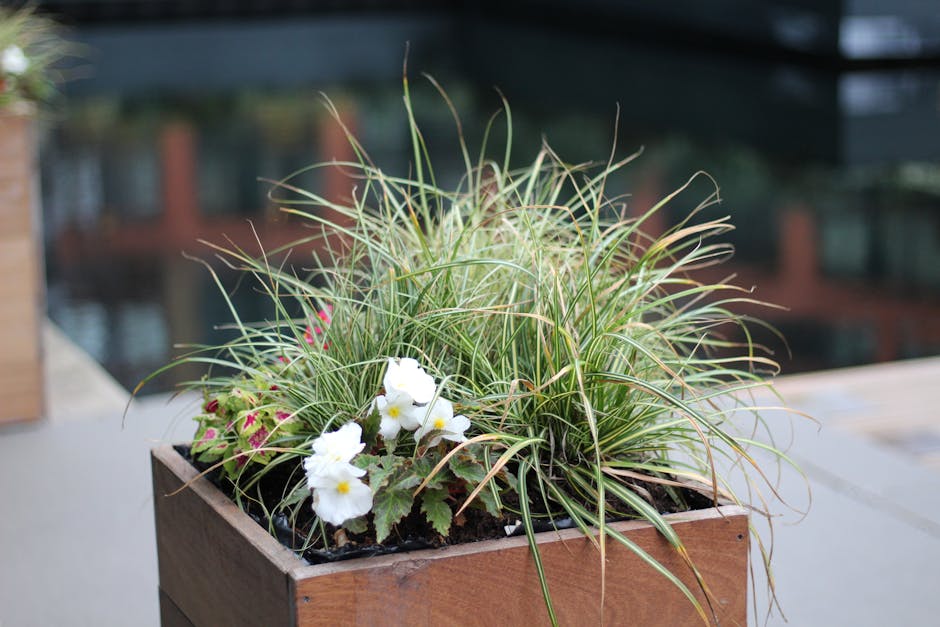
Surrey Quays gardeners for small urban gardens
Small urban gardens can be brilliant. They can also be awkward, a bit cramped, and surprisingly demanding. If you live in Surrey Quays and your outside space is more balcony-than-back-garden, you already know the feeling: every pot matters, every hedge seems to grow faster than you expected, and a single bad layout decision can make the whole space feel tighter. That is exactly where Surrey Quays gardeners for small urban gardens earn their keep.
Good small-garden gardening is not about squeezing in more plants for the sake of it. It is about creating breathing room, keeping maintenance realistic, and making the space work properly in everyday life. In this guide, we will look at how local gardeners approach compact urban gardens, what makes them different, what to expect, and how to avoid the usual mistakes that waste time and money. If you are planning a refresh, or your garden has become a little overgrown and under-loved, this will help you move forward with confidence.
Practical note: the best results usually come from simple, consistent choices rather than dramatic overhauls. Small spaces reward restraint. Honestly, they do.
Contents
- Why Surrey Quays gardeners for small urban gardens Matters
- How Surrey Quays gardeners for small urban gardens Works
- Key Benefits and Practical Advantages
- Who This Is For and When It Makes Sense
- Step-by-Step Guidance
- Expert Tips for Better Results
- Common Mistakes to Avoid
- Tools, Resources and Recommendations
- Law, Compliance, Standards, or Best Practice
- Options, Methods, or Comparison Table
- Case Study or Real-World Example
- Practical Checklist
- Conclusion
- Frequently Asked Questions
Why Surrey Quays gardeners for small urban gardens Matters
Surrey Quays has its own kind of garden challenge. You get compact plots, shaded corners, wind tunnels between buildings, containers on paving, and spaces that need to look neat from a kitchen window as much as from the patio. In a small urban garden, there is nowhere to hide a sloppy edge or an overgrown shrub. One untidy section can make the whole area feel neglected.
This is why specialist local gardeners matter. They understand how to work with the limits of urban spaces rather than fighting them. That means choosing plants that suit the light, controlling growth before it takes over, and designing around practical realities like bin access, drainage, privacy, and storage. It also means making maintenance easier. A good small-garden plan should not feel like homework every weekend.
There is also a lifestyle point here. A tiny garden can still be one of the most useful rooms in the property if it is set up properly. You might want a place for morning coffee, herbs for cooking, a safe patch for children, or simply a clean, calm view after a day in London traffic. The right approach turns "a bit of outdoor space" into something you use properly.
For many homeowners and landlords, this is also about value and presentation. A tidy, well-planned garden reads as cared for. It suggests the property is looked after, and that counts. It really does.
How Surrey Quays gardeners for small urban gardens Works
Small urban garden work usually begins with a quick but careful assessment. The gardener looks at light levels, access, surfaces, existing planting, drainage, and how the space is actually used. A narrow courtyard needs a different plan from a tiny lawn with raised beds, and a balcony-style space has its own rules again.
From there, the work often falls into a few practical stages. Sometimes it is mostly maintenance, sometimes it is redesign, and often it is a mix of both. For example, a garden may need regular garden maintenance first, then selective pruning and a better planting scheme, then perhaps a few structural changes to make the space feel more open.
A typical small-garden job might include:
- clearing dead growth and clutter
- trimming hedges, climbers, and shrubs to sensible proportions
- improving soil or containers
- refreshing mulch for moisture retention and weed control
- replacing tired plants with better-suited options
- adjusting the layout so the space feels larger and easier to use
Sometimes the job is very straightforward. A small terrace can just need a tidy-up, a seasonal cut back, and a little planting refresh. Other times, there is more to do. If a garden has been neglected for months, or even years, then a proper garden clearance may be needed before the useful work can begin. No point polishing the table if the room is full of boxes, as they say.
Key Benefits and Practical Advantages
The right gardener brings more than shears and compost. They bring judgement. In a small urban space, that judgement is everything.
1. Better use of space. Smart pruning, compact planting, and cleaner lines help the garden feel bigger without physically changing the footprint.
2. Lower maintenance pressure. If the design is sensible, you will spend less time chasing weeds, cutting back growth, and rescuing plantings that were never suited to the space.
3. Improved light and airflow. Small gardens can become dark and damp when plants are oversized or crowded. A good gardener will thin, lift, and reshape with this in mind.
4. More privacy without bulk. You do not need a towering hedge everywhere. Sometimes a light screen or carefully placed planting does the job better. If screening is needed, hedge trimming keeps it neat without letting it swallow the garden.
5. Safer, tidier surfaces. Mossy paving, slippery decking, and uneven edges are common in compact gardens. Good upkeep reduces trip risks and makes the space nicer to use on wet mornings.
6. Better seasonal performance. Small gardens can be planned for all-year interest, not just a burst of summer colour. That means structure, evergreen planting, and practical rotation.
To be fair, the biggest benefit is often peace of mind. When the garden is under control, you stop thinking about it all the time. And that is a relief.
Who This Is For and When It Makes Sense
Surrey Quays gardeners for small urban gardens are a strong fit for people who want a garden that is manageable, good-looking, and used properly, not just "sort of okay from a distance." That includes a lot of different situations.
- Busy homeowners who want the space to look good without weekend battles with weeds and overgrowth.
- Landlords and letting agents who need outdoor areas to present well between tenancies.
- New movers who have inherited a garden that is slightly chaotic and need a fresh start.
- Older residents who want safe, tidy maintenance without heavy lifting.
- Families who need space for play, storage, and a bit of calm.
- People who entertain outside and want the garden to feel like part of the home, even if it is small.
It also makes sense when the space has a recurring issue rather than a one-off problem. Maybe the hedge grows too fast, the lawn struggles in shade, or the whole layout feels cluttered. In those cases, a one-time tidy-up helps, but a longer-term plan is better. A local team offering landscape gardening can help reshape the space so it works more naturally day to day.
And if you are looking at a garden with tired paving, awkward borders, or a patio that absorbs all the sunlight and none of the charm, small-space landscaping can make a serious difference without turning the place upside down.
Step-by-Step Guidance
If you want to improve a small urban garden properly, it helps to follow a simple sequence. Rushing straight to plants before fixing the structure is one of the easiest ways to waste effort.
- Assess the space honestly. Look at what gets sun, what stays damp, where people walk, and which areas feel cramped. Take note of where clutter collects. That tells you more than a pretty plant list ever will.
- Clear the obvious problems first. Remove dead material, broken pots, choking weeds, and anything that blocks useful movement. If the garden is badly tangled, a clearance phase may come before anything else.
- Decide the main purpose. Do you want seating, planting, low maintenance, privacy, pet space, or a bit of all four? Small gardens need a clear priority. Trying to make them do everything usually ends up making them do nothing well.
- Set structure before detail. Think paths, seating, edges, screens, and bigger plants first. Then fit smaller plants around them.
- Choose compact, reliable planting. Use species and varieties that suit the light and do not outgrow the space too quickly. Maintenance will be easier from the start.
- Build in easy access. You need to reach pots, borders, taps, and bins without squeezing past too much growth. If access is awkward now, it will only get worse later.
- Schedule ongoing care. A small garden can look brilliant with light but regular attention. A few visits a year can be much more effective than a single heroic tidy-up.
A practical example: a Surrey Quays courtyard with two tired planters, a patch of patchy grass, and a hedge pressed too close to the fence might be transformed by removing the oversized hedge sections, adding raised planters, and keeping the lawn on a stricter cut schedule. Nothing dramatic. Just cleaner, more usable, and less annoying. Which, in real life, is usually the point.
Expert Tips for Better Results
Small gardens tend to reward restraint. You do not need ten features, six colours, and a showpiece in every corner. You need coherence.
Use repetition. Repeating a plant, pot shape, or material helps a compact garden feel calmer and more intentional. Randomness can look messy very quickly in a small space.
Keep one or two strong focal points. A bench, a statement container, or a neat screen can anchor the whole garden. Too many focal points and the eye gets tired.
Think vertical, but not crowded. Wall planters, trellis planting, and slim climbers can add interest without using floor space. Still, keep enough air around them. Plants need room to breathe, just like people.
Prioritise edges. In small gardens, the edges do a lot of visual work. Clean borders, crisp paving joints, and tidy trims make everything feel more deliberate.
Do less, better. A well-cut hedge and a well-maintained path can transform a small outdoor area faster than a full redesign with poor follow-through.
Use maintenance-friendly materials. If you are adding hard landscaping or a decked area, choose finishes that are suitable for the level of use and exposure the space gets. If needed, services such as decking services can help create a clean, usable sitting area with less visual clutter than some paving layouts.
Keep sustainability in mind. Smaller gardens can be surprisingly efficient with water and planting waste. Thoughtful reuse, composting where suitable, and tidy green-waste handling all help. A responsible approach to recycling and sustainability is not just a nice extra; it is part of good garden practice.
Common Mistakes to Avoid
Small urban gardens are forgiving in some ways and ruthless in others. The biggest mistakes are usually simple ones.
- Overplanting. A packed garden may look full for a month, then feel crowded for the rest of the year.
- Choosing plants for the nursery look rather than the mature size. That tiny shrub will not stay tiny. Nature tends to ignore our hopes, inconveniently.
- Ignoring shade and moisture patterns. A plant that loves full sun will sulk in a north-facing corner, and you will be left wondering why the leaves look miserable.
- Letting hedges and climbers run unchecked. In a small space, growth needs management before it becomes a problem.
- Focusing on decoration before structure. Pretty pots cannot fix bad access or awkward flow.
- Trying to do everything in one weekend. That is how gardens become half-finished and more stressful than before.
- Skipping maintenance after the makeover. The tidy-up is the easy bit. Keeping it tidy is the real win.
One more thing people miss: if a garden is too dark or enclosed, trimming back a little growth can improve both light and the sense of space without removing the character of the garden. It is a balance, not a battle.
Tools, Resources and Recommendations
You do not need a garage full of kit to keep a small urban garden in shape, but the right tools make work safer and cleaner. A gardener working in Surrey Quays will usually rely on a practical mix of hand tools and compact maintenance equipment suited to tight access.
Useful basics often include:
- sharp secateurs for precise pruning
- loppers for thicker stems
- hedge trimmers for clean structural cuts
- a sturdy rake and hand fork for tidying beds
- gloves and eye protection
- a watering can or lightweight hose setup for small spaces
- containers and saucers that fit the available footprint
If the work involves regular mowing, careful edging, or keeping a tiny lawn presentable, professional lawn mowing support can save a surprising amount of time. Small lawns are easy to neglect because they look quick to do. Then suddenly it is damp, patchy, and a bit embarrassing. We have all seen that happen.
For garden owners trying to understand service scope before booking, the services overview is useful because it helps you see how maintenance, clearance, hedge work, and landscaping fit together. If you are comparing options or want a clearer idea of next steps, pricing and quotes can help set expectations before any work begins.
If you are just trying to understand the team behind the work, it is also sensible to read about us. People often skip this part, but it helps. A lot.
Law, Compliance, Standards, or Best Practice
For small urban gardens, compliance is usually less about complex paperwork and more about doing the job safely, responsibly, and with respect for neighbours and property boundaries. That matters in Surrey Quays where many gardens sit close together and work can be heard, seen, and occasionally smelled from next door within minutes.
Best practice usually includes:
- checking access before work starts so tools and materials can be moved safely
- using appropriate PPE where needed
- keeping paths, steps, and exits clear during work
- disposing of waste responsibly
- avoiding unnecessary damage to shared fences, walls, or planting
- being careful with any cutting work near property boundaries
If tree-related work is part of the job, it should be handled cautiously and only within what is appropriate for the situation. In some cases, a more specialist approach is needed, which is where tree lopping and removal may be relevant. That kind of work should be assessed carefully. No guesswork. Definitely not the sort of task to improvise on a windy afternoon.
On the trust side, it helps to look at business policies that show a professional approach to safety, privacy, and complaints handling. For example, a clear health and safety policy, insurance and safety information, and a straightforward complaints procedure all support better customer confidence. Similarly, clear payment and security information is a sensible sign that a company takes the practical side seriously.
There are also general site policies, like the privacy policy, terms and conditions, and cookie policy, that matter for trust and transparency even if they are not directly about the garden itself.
Options, Methods, or Comparison Table
If you are deciding how to approach a small urban garden, the main choice is usually between simple maintenance, light improvement, or a more structural redesign. Each has its place.
| Approach | Best for | What it usually includes | Trade-off |
|---|---|---|---|
| Routine maintenance | Gardens that are basically fine but need regular care | Pruning, mowing, weeding, tidying, seasonal refreshes | Does not fix deeper layout problems |
| Clearance and reset | Overgrown or neglected spaces | Waste removal, cutting back, removing dead material, restoring access | Looks rough before it looks better |
| Light landscaping | Small gardens that need better structure | Edging, paving adjustments, planters, screens, layout tweaks | More disruption than basic maintenance |
| Full design-led makeover | Spaces with limited function or poor flow | Planting scheme, hard landscaping, feature zones, possible decking | Higher commitment and more planning |
For many Surrey Quays homes, the sweet spot is often in the middle: a practical clearance, followed by a modest redesign and then regular upkeep. That gives you visible improvement without overcomplicating the space. And, frankly, without overpaying for things you do not need.
Case Study or Real-World Example
Here is a realistic example. A compact rear garden in Surrey Quays has a narrow paved area, one small patch of grass, and two mixed borders. Over time, a shrub has grown too large, the grass has become thin and patchy, and the paving is hidden by leaf litter and self-seeded weeds. The owners want to use the space for a small table and two chairs, but at the moment it feels more like storage than garden.
The work starts with clearing debris and cutting back the oversized shrub. The gardener then trims the remaining growth to open up the view and create better movement around the patio. The borders are thinned so that a few healthier plants can actually be seen. A small, low-maintenance planting scheme is added with a couple of evergreen elements for structure. Finally, the grass edge is defined and a simple maintenance routine is agreed.
The result is not flashy. That is the point. It looks calmer, larger, and easier to live with. The owners can sit outside in the evening without feeling boxed in, and the garden no longer needs rescuing every time it rains. A small change, but a meaningful one.
Practical Checklist
Use this checklist if you are planning work on a small garden in Surrey Quays.
- Is the garden clear enough to move through comfortably?
- Do you know which areas get sun, shade, and damp?
- Have you identified the main purpose of the space?
- Are any plants too large for the garden size?
- Do the borders and edges look tidy?
- Is there a realistic maintenance plan after the first visit?
- Do you need clearance before maintenance or redesign?
- Would hedge trimming, mowing, or landscaping solve part of the problem?
- Are there safety or access issues to address first?
- Have you checked the service information and quotes before booking?
Expert summary: small urban gardens work best when the structure is clear, the planting is disciplined, and maintenance is easy to keep up. If you get those three things right, the space starts giving back to you rather than asking for constant rescue.
Conclusion
Surrey Quays gardeners for small urban gardens are about more than tidy borders and clipped hedges. They help turn limited outdoor space into something calm, usable, and much easier to live with. That might mean a quick maintenance visit, a thorough clearance, a better planting plan, or a small landscaping adjustment that makes the whole place feel open again.
In a compact London garden, every choice matters a bit more. The wrong plant can overwhelm the space, the wrong layout can make it awkward, and the wrong maintenance rhythm can undo good work fast. But with the right approach, even a tiny garden can feel generous. It can become a place you actually enjoy seeing every day, which is the real goal, isn't it?
Get a free quote today and see how much you can save.
And if your garden has been quietly asking for help for a while, there is no shame in starting small. A sensible first step is often the best one.
Frequently Asked Questions
What do Surrey Quays gardeners for small urban gardens usually do?
They usually focus on practical work that suits compact spaces: pruning, mowing, weeding, clearing clutter, shaping hedges, improving planting, and making the garden easier to maintain. In smaller gardens, the emphasis is on space, flow, and long-term manageability rather than big, sprawling displays.
How often should a small urban garden be maintained?
It depends on the planting and the season, but most small gardens benefit from light, regular attention rather than occasional heavy work. Fast-growing hedges, lawns, and borders can get out of hand quickly, so a steady routine usually works better than waiting until everything feels overwhelming.
Is garden clearance needed before maintenance?
Sometimes, yes. If the space is heavily overgrown, blocked by debris, or hard to access, a clearance step comes first. Once the obvious mess is removed, maintenance and improvements become much easier and more effective.
Can a tiny garden still look good without lots of plants?
Absolutely. In fact, some of the best small gardens are restrained and well structured. Clean lines, a few strong plants, and thoughtful placement often look better than a crowded mix of too many species. Less can be more, awkwardly enough.
What plants work best in small urban gardens?
Plants that stay within a sensible size, suit the available light, and do not demand endless attention are usually the safest choice. Evergreen structure, compact shrubs, and container-friendly planting often perform well, but the right choice always depends on the garden's conditions.
Do small gardens need landscaping or just maintenance?
That depends on the current layout. If the space is already functional, maintenance may be enough. If it feels cramped, awkward, or poorly arranged, light landscaping can make a big difference by improving access, balance, and usability.
How do I know if my hedge or shrub is too big for the space?
If it blocks light, crowds access, or dominates the whole garden, it may be too large for the setting. In a small urban garden, large plants need regular control or a replacement plan. If in doubt, start with a careful trim and reassess from there.
Are small garden jobs expensive?
Costs vary by the amount of work, the level of overgrowth, and whether clearance or landscaping is involved. The fairest approach is to ask for a clear quote based on the actual space and the job list. A simple tidy-up is obviously different from a full reset.
What should I ask before hiring a gardener?
Ask what is included, whether waste removal is covered, how often maintenance is recommended, and whether the gardener has experience with compact urban spaces. It is also sensible to check safety, insurance, and payment details before agreeing anything.
Can gardeners help make a garden feel bigger?
Yes. Smart pruning, better layout, lighter planting, and cleaner edges can all make a small garden feel more spacious. It is usually about reducing visual clutter and opening up movement rather than physically enlarging the area.
What is the best first step if my garden is messy and overgrown?
Start with an honest assessment, then remove the worst clutter and overgrowth first. Once access is improved, you can decide whether the space needs simple maintenance, a full clearance, or a more thoughtful redesign. Starting with the obvious stuff keeps things manageable.
How do I keep a small garden tidy after the work is done?
The key is consistency. A short, regular maintenance routine is easier to sustain than a big clean-up every few months. Keep hedges trimmed, mow or edge as needed, and avoid introducing plants that will outgrow the space before long.
Where can I find more information about the service approach and policies?
You can read the company's services overview, check the pricing and quotes page, and review the policy pages such as insurance and safety and about us to understand how the work is handled.