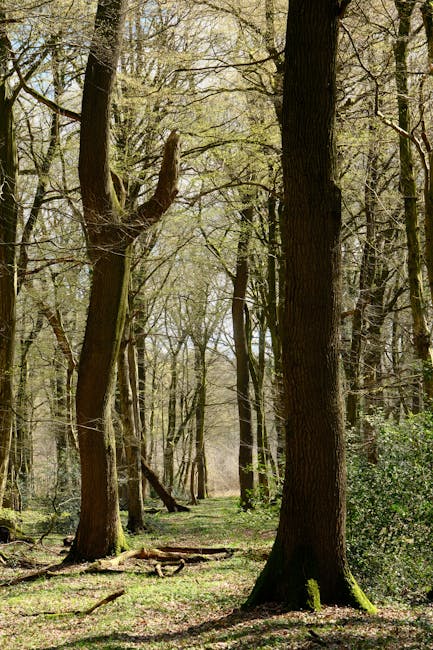
Russia Dock Woodland edging and garden maintenance experts: a practical guide to tidy, healthy outdoor spaces
If you live near Russia Dock Woodland, you already know the charm of the area: leafy paths, pockets of shade, and gardens that can look fantastic with the right care. But edging and ongoing garden upkeep are not small details. They shape how a garden feels, how easy it is to maintain, and how well plants, lawns, paths, and borders hold up through the seasons. That is where Russia Dock Woodland edging and garden maintenance experts make a real difference. They bring structure to the mess, keep growth under control, and help outdoor spaces stay neat without losing character.
In practice, this is about more than drawing a crisp line along a border. It is about choosing the right edging method, maintaining it through wet weather and busy growing periods, and building a garden routine that actually suits London life. In this guide, we will look at what expert edging and garden maintenance involve, who needs them, what good results look like, and how to avoid the common mistakes that leave gardens looking tired by midsummer. Truth be told, a tidy edge can change the whole feel of a garden more than people expect.
Expert summary: Good edging gives a garden shape; good maintenance keeps that shape alive. Put them together and you get cleaner lines, healthier beds, safer access, and less work later on. Simple idea. Big payoff.
Why Russia Dock Woodland edging and garden maintenance experts Matters
Edging is one of those jobs that looks small until it is missing. A lawn without a clear edge starts to bleed into beds. Gravel drifts into soil. Mulch escapes after heavy rain. Before long the whole garden feels a bit untidy, even if the plants themselves are healthy. Around Russia Dock Woodland, where gardens often sit alongside shaded paths, mature trees, and varying soil conditions, this matters even more.
Garden maintenance is the broader discipline that keeps everything working together. It includes mowing, trimming, pruning, weed control, seasonal tidy-ups, and checking that boundaries, paths, and planting areas still make sense. When edging and maintenance are managed by people who know the local environment, the garden becomes easier to live with. That sounds obvious, but plenty of gardens fail because one-off tidy-ups are done without a longer plan.
There is also a visual and practical side. Defined edges help frame planting. They make lawns look intentional. They reduce the awkward "where does the lawn end and the bed begin?" problem that creeps in after a few months of neglect. And in an area with regular foot traffic, family use, or communal outdoor spaces, that structure helps reduce mess, slipping risks, and maintenance stress. If you want a garden that feels calm rather than chaotic, this is where you start.
For homeowners, landlords, and local property managers, the bigger reason is consistency. A garden can be beautiful for a week after a clear-out and then slide back fast. Good maintenance prevents that slide. It is the difference between scrambling and keeping on top of things.
How Russia Dock Woodland edging and garden maintenance experts Works
The process usually begins with observing the garden as it actually behaves, not as you hope it behaves in spring. A proper edging and maintenance plan looks at soil type, sun and shade patterns, footfall, drainage, and the way existing borders spread. In woodland-edge settings, roots, leaf fall, and damp patches often shape the work just as much as the plants do.
Edging itself can be done in several ways. Some gardens suit a clean, cut lawn edge. Others need a more durable boundary, such as steel, timber, stone, or brick edging. The right choice depends on whether the edge needs to be decorative, protective, low-maintenance, or simply robust enough to stop grass from creeping into the border. There is no one-size-fits-all answer, which is why local experience matters.
Maintenance then follows a routine. This may include mowing at sensible intervals, trimming soft growth before it becomes a nuisance, removing weeds before they seed, refreshing mulch, and checking for damage after storms or high winds. In a real garden, these jobs do not happen in neat isolation. One task affects another. For example, if a border is overgrown, edging becomes harder to see; if the lawn is too long, you cannot cut the edge properly; if trees throw too much shade, moss can spread and the lawn thins out. Gardening is a chain of little causes and effects. Slightly annoying, but true.
A good expert will also think about sequencing. You edge after or alongside mowing, not before a heavy cut. You clear and shape borders before planting or mulching. You prune with the growth cycle in mind. That way the work lasts longer and the garden looks finished rather than half done.
If you are comparing service levels, it helps to look at the wider services overview to understand how edging sits alongside broader care. For recurring upkeep, garden maintenance is usually the most practical foundation, while more intensive work may sit with landscaping or landscape gardening when a space needs reshaping rather than just tidying.
Key Benefits and Practical Advantages
There are some benefits people expect from edging and maintenance, and a few they do not. The obvious ones are neatness and appearance. The less obvious ones are time savings, better plant health, and fewer repair jobs down the line.
- Cleaner garden boundaries: Edges define beds, lawns, and paths so the space reads more clearly at a glance.
- Lower upkeep: A maintained edge is easier to mow, trim, and weed than a neglected one.
- Healthier planting areas: Clear borders make it easier to mulch, water, and protect soil around plants.
- Better drainage and airflow: Overgrown, cluttered edges can trap damp and encourage rot or mildew.
- Improved safety and access: Clear routes and well-kept edges reduce trip hazards and awkward overgrowth.
- Longer-lasting garden features: Proper upkeep protects structures, borders, and soft landscaping from wear and drift.
Another benefit is mental, honestly. A garden that is visually ordered tends to feel more usable. People sit outside more. Children play in clearer spaces. You notice what actually needs doing instead of feeling vaguely overwhelmed by the whole thing.
For landlords and property managers, tidy edging and routine care also help present the property better between tenancies or viewings. That does not need overstatement. It just helps. A well-kept exterior sets a more trustworthy tone before anyone even opens the back gate.
Who This Is For and When It Makes Sense
This kind of work is useful for a lot more people than you might think. It is not just for large gardens or premium homes. In fact, smaller gardens often benefit most because every square metre is more visible. A missed edge in a compact space can make the whole thing feel cramped and messy.
You may want expert edging and maintenance if:
- your lawn keeps spreading into flower beds
- borders look blurred or unkempt after a few weeks
- you have mature trees dropping leaves and debris regularly
- you want a low-fuss outdoor space that still looks cared for
- you manage a rental property, shared garden, or serviced home
- you are planning seasonal planting, mulching, or a garden refresh
- you have old, broken, or poorly installed edging that no longer holds shape
It also makes sense when your own time is stretched. Gardens do not politely wait for a free Saturday afternoon. They keep growing. A lot. If you only have time for occasional bursts of work, it is usually smarter to set up a maintenance routine that keeps the basics in line. That way you are not always fighting a backlog.
People often ask whether they need maintenance, landscaping, or just a one-off tidy. The answer is usually visible in the garden itself. If the structure is sound but the surface looks tired, maintenance may be enough. If paths, levels, borders, or planting design are no longer working, then a more considered redesign through landscaping may be the better route. If there is a build-up of cuttings, clutter, or neglected growth, garden clearance can be the right first step.
Step-by-Step Guidance
Here is the practical version. If you want edging and garden maintenance to actually last, work in a sequence that respects the garden rather than rushing through it.
- Assess the space properly. Walk the garden slowly. Look for overgrown borders, soft edges, damaged edging, uneven ground, and areas where growth has overtaken the layout.
- Decide what needs defining. Not every border needs the same treatment. Lawn edges, beds, paths, and patio lines may each need a different level of finish.
- Clear before you cut. Remove loose debris, weeds, dead material, and clutter so the edging line is visible.
- Cut or install the edge. Depending on the garden, this may mean re-cutting a lawn edge or fitting a more permanent border.
- Carry out routine maintenance. Mow, trim, weed, deadhead, and tidy the surrounding area so the edge remains visible and practical.
- Refresh the finish. Mulch, bark, gravel, or soil top-ups may be needed to support the edge and keep the area looking cared for.
- Set a repeat interval. Monthly, fortnightly, or seasonal visits can all work, depending on growth rate and garden use.
That last step is the one many people skip. And then they wonder why the garden looks fine for two weeks and tired by week five. Edging without follow-up is like sweeping a floor once and calling it done forever. Nice idea. Not real life.
For gardens with a lot of structural work, it can help to think in layers: first remove the problem growth, then define the boundaries, then maintain the structure. If the garden includes hard surfaces or timber features, you may also need support from decking services if any adjoining structure needs attention. Keep the sequence sensible and the result tends to hold up much better.
Expert Tips for Better Results
The best edging work is usually the kind you barely notice at first, because it simply looks right. Clean but not harsh. Defined but not overworked. A few small choices make a big difference here.
Choose the right edge for the way the garden is used
A decorative edge is not always the most practical one. If children, pets, or maintenance equipment move through the space often, durability matters more than looks alone. In a busy garden, a simple, robust edge can outperform a fancier one every time.
Match the maintenance rhythm to local conditions
Shaded gardens, damp corners, and tree-heavy spaces often need different care from sunnier plots. Moss, leaf litter, and slower drying times mean you may need to tidy and inspect edges more frequently. Around woodland-style environments, this is especially true.
Keep the line visible
It sounds basic, but a good edge only works if it is easy to see and maintain. Once grass and weeds start masking the line, upkeep gets harder and the whole garden loses clarity.
Use pruning and mowing together, not separately
If you mow without trimming the overhanging growth, the edge still looks messy. If you trim without mowing, the lawn can quickly make the border look unfinished. The two jobs should support each other.
Do not over-strip the garden
Some gardens are tidied so aggressively that they lose softness and life. A healthy border still needs texture, planting, and seasonal variation. The goal is control, not sterility. A garden can look neat without looking shaved within an inch of its life.
Where you need ongoing support, a regular plan through lawn mowing and hedge trimming often keeps the biggest visual problems under control before they spread. It is a boring answer maybe, but it works.
Common Mistakes to Avoid
Most edging problems are caused by a few predictable mistakes. The good news is that they are easy to spot once you know what to look for.
- Using the wrong material: A soft timber edge may not suit a high-traffic border. Some areas need something tougher.
- Ignoring drainage: Water pooling beside edges can weaken borders and encourage plant stress.
- Letting grass creep unchecked: Once grass invades the bed line, re-establishing the edge takes more time and effort.
- Skipping seasonal maintenance: Winter debris, spring growth, and summer dryness all affect the garden differently.
- Cutting too deep or too shallow: A poor edge cut can look jagged or collapse too quickly.
- Not clearing first: Edging over debris gives a false sense of progress and often needs redoing.
Another mistake is treating the whole garden as a one-off project when it really needs a rhythm. It is easy to do. You tidy hard in one weekend, step back, and think you have solved the problem. Then two months pass and the border starts leaning back into the lawn like nothing happened. Gardens have a sense of humour, unfortunately.
There is also a health and safety angle. Strimming close to stone, timber, or hidden debris can throw material or damage finishes. If you are not sure what lies under overgrowth, it is better to clear carefully than to rush through with a machine and hope for the best.
Tools, Resources and Recommendations
You do not need a huge kit to keep a garden in good shape, but you do need the right tools for the job. Edging especially is one of those tasks where the finish depends on control.
| Task | Useful tools | Why it helps |
|---|---|---|
| Re-cutting a lawn edge | Half-moon edger, edging iron, sharp spade | Creates a neat, defined line without tearing turf |
| Border tidy-up | Secateurs, hand fork, rake, gloves | Lets you clear debris and shape plants carefully |
| Routine mowing | Lawn mower, line trimmer, grass collector | Keeps the lawn at a consistent height and shows the edge clearly |
| Weed control | Hand weeder, hoe, mulch | Prevents weeds from blurring the edge and competing for space |
| Seasonal clearance | Rake, sacks, pruners, shears | Removes the clutter that hides good structure |
For bigger or messier jobs, the main recommendation is not to improvise too much. If you are dealing with dense overgrowth, brittle edging, or heavy debris, it may be more practical to combine tidy-up work with proper clearance. That is where garden clearance can save a great deal of time and frustration.
If you are planning longer-term improvements, it is worth looking at the full picture rather than the edge alone. A garden may benefit from better planting layouts, more usable surfaces, or new hard landscaping. The right approach depends on how the space is actually used, not just how it looks in a photo. That point matters more than people admit.
Law, Compliance, Standards, or Best Practice
For most homeowners, edging and maintenance are straightforward practical jobs. Still, there are a few best-practice areas worth keeping in mind, especially in London where space is tight and neighbouring properties are often close by.
First, waste should be handled responsibly. Green waste, soil, cuttings, and removed materials ought to be separated and disposed of in line with local expectations and sustainability-minded practice. If the contractor you use is serious about this, they should be able to explain how they manage recycling and disposal. You can also look at their approach to recycling and sustainability to see whether it fits your values.
Second, safe working matters. Tools, ladders, trimmers, and heavy debris all need sensible handling. A professional approach should include risk awareness, clear working methods, and insurance-backed protection where appropriate. It is not glamorous, but it matters. You do not want a quick trim to turn into a damaged fence or an injured foot.
Third, be mindful of boundaries and shared spaces. If your garden backs onto another property or forms part of a shared arrangement, edging and clearance should be carried out with respect for access, debris, and noise. Good practice usually means tidy working, sensible timing, and leaving no mess behind.
If you are choosing a provider, a sensible sign of professionalism is how openly they discuss their working methods. You can also review their health and safety policy, insurance and safety information, and terms and conditions before you book. That kind of transparency builds trust, and rightly so.
Options, Methods, or Comparison Table
There are several ways to manage edging and garden maintenance, and the right choice depends on budget, garden size, and how hands-on you want to be. Here is a practical comparison.
| Approach | Best for | Strengths | Limitations |
|---|---|---|---|
| DIY edging and upkeep | Small, simple gardens | Low direct cost, flexible timing | Time-consuming, easier to get uneven results |
| One-off professional tidy-up | Overgrown or neglected spaces | Fast reset, immediate visual improvement | Needs follow-up to stay neat |
| Regular maintenance visits | Busy households, rental properties, shared gardens | Consistent results, easier long-term control | Ongoing cost |
| Full landscaping refresh | Spaces with weak layout or failing borders | Can solve deeper design issues | More planning and a bigger project |
In many cases, the best route is a blend: clear the space, establish the edge, then keep it under control with routine maintenance. That balance is what stops the garden slipping back into chaos after the first burst of effort. And no, chaos is not a landscaping style, despite what some gardens suggest in July.
Case Study or Real-World Example
Picture a typical garden near Russia Dock Woodland: shaded in parts, with a lawn that gets patchy in places, a few borders that have widened over time, and some seasonal leaf fall that keeps landing in the same corners. Nothing dramatic. Just the kind of garden that slowly becomes harder to manage.
At the start, the edge between lawn and bed is fuzzy. The mowing line has drifted. A few weeds are hiding in the border. The path looks narrower than it should because the planting has crept out. The garden is still usable, but it feels slightly heavy, slightly tired. You know the feeling.
The fix is not to rip everything out. First, the space is cleared of loose debris and overgrowth. Then the lawn edge is re-established, making the border line visible again. After that, the bed is tidied and lightly refreshed so the plants have room. Regular mowing and trimming then keep the line intact. A few weeks later the garden looks bigger, calmer, and much easier to live with, even though the actual footprint has not changed at all.
That is the real value of expert edging and maintenance. Not drama. Not a total overhaul. Just a garden that starts working properly again.
Practical Checklist
Use this checklist if you are planning work in your garden or comparing services.
- Check whether the lawn edge is visible and consistent
- Look for grass creeping into beds or gravel
- Inspect border material for damage, movement, or rot
- Note shaded or damp areas that need more frequent care
- Decide whether the garden needs maintenance, clearance, or a larger redesign
- Confirm how waste and cuttings will be removed
- Review whether the provider offers sensible follow-up care
- Ask how edging will be kept neat after the first visit
- Make sure paths, steps, and access routes stay clear
- Choose a maintenance rhythm that suits the season and the garden's growth rate
If you are still unsure, start with a simple question: what is the main problem right now, visual tidiness or deeper structural issues? That answer usually points you to the right service path.
Conclusion
Russia Dock Woodland edging and garden maintenance experts bring together two things many gardens need most: clear structure and steady care. Edging creates definition. Maintenance keeps that definition from disappearing under growth, debris, and seasonal change. Around a green, lived-in part of London, that combination is especially valuable because gardens here do not sit still for long.
The practical lesson is simple. If you want your garden to feel easier, safer, and more inviting, start by defining the boundaries and then protect them with a maintenance rhythm that fits the space. Small, regular work usually beats big catch-up jobs. Every time.
For a broader look at how professional garden care is organised, you may also want to explore about us and the wider services overview. If you are ready to move from planning to action, it is worth checking pricing and quotes and then choosing the level of support that matches your garden's needs. There is no need to overcomplicate it.
Get a free quote today and see how much you can save.
And if you are looking at a border that has gone a bit soft or a lawn that keeps wandering off into the flower beds, do not worry. It is fixable, usually faster than you think, and often more satisfying than you expect.
Frequently Asked Questions
What do Russia Dock Woodland edging and garden maintenance experts actually do?
They define garden boundaries, tidy growth, and keep outdoor spaces in workable condition. That usually means edging lawns and borders, mowing, trimming, clearing debris, and maintaining the overall shape of the garden so it stays neat over time.
How often should garden edging be maintained?
It depends on growth rate, season, and how much the garden is used. In a fast-growing or shaded garden, edging may need attention more often than in a small, low-growth space. Regular maintenance is better than waiting until the edge disappears completely.
Is edging only for large gardens?
No, small gardens benefit just as much, sometimes more. In compact spaces, a blurred edge can make the whole area feel cramped and messy. A crisp boundary helps the garden look organised and easier to manage.
What is the difference between edging and landscaping?
Edging is about defining and maintaining borders. Landscaping is broader and may involve redesigning layout, changing levels, installing new features, or reshaping how the space works. If the structure is failing, landscaping may be the better option.
Can edging help with weed control?
Yes, indirectly. A clear edge makes it easier to spot weeds and stop grass from creeping into beds. It does not eliminate weeds on its own, but it makes control much easier and more effective.
What should I do before a garden maintenance visit?
Clear away loose items if you can, note the areas that worry you most, and think about whether you need clearance, routine care, or a more substantial refresh. The more clearly you can explain the problem, the easier it is to get the right result.
Do I need garden clearance before maintenance?
Sometimes. If the space is heavily cluttered, overgrown, or full of cuttings and debris, clearance is a sensible first step. Routine maintenance works best once the garden is back in a manageable state.
How do I know whether I need a one-off tidy or ongoing maintenance?
If the garden keeps slipping back after a few weeks, ongoing maintenance usually makes more sense. If it just needs resetting after a neglected period, a one-off tidy-up may be enough to get things moving again.
What are the most common edging materials?
Common options include cut lawn edges, timber, stone, brick, and metal edging. The right choice depends on the garden's style, exposure, and how much wear the edge will get. Durability matters as much as appearance.
Is garden maintenance worth it in winter?
Yes, though the work changes. Winter maintenance often focuses on clearing debris, managing fallen leaves, checking damage, and keeping access routes safe. It is a quieter season, but not a no-care season.
How do I choose a trustworthy garden maintenance provider?
Look for clear communication, sensible working methods, and transparency around safety, insurance, and pricing. Pages like insurance and safety and pricing and quotes are useful starting points if you want to understand how the service is structured before booking.
Will edging damage my plants or lawn?
It should not, if it is done properly. Good edging is careful and deliberate. Rushed or aggressive cutting can damage turf or roots, which is why experience and patience matter. A neat job should make the garden healthier, not rougher.
What if my garden is in poor condition already?
That is very common. Start with clearance, then re-establish the structure, then maintain it. Most neglected gardens can be brought back into shape without needing a full rebuild, although some may benefit from a broader design review if the layout is no longer practical.
One final thought: a garden rarely needs perfection, just attention. Give it that, and it usually gives a lot back.